The Overlooked but Essential Role of Bioclimatic Design
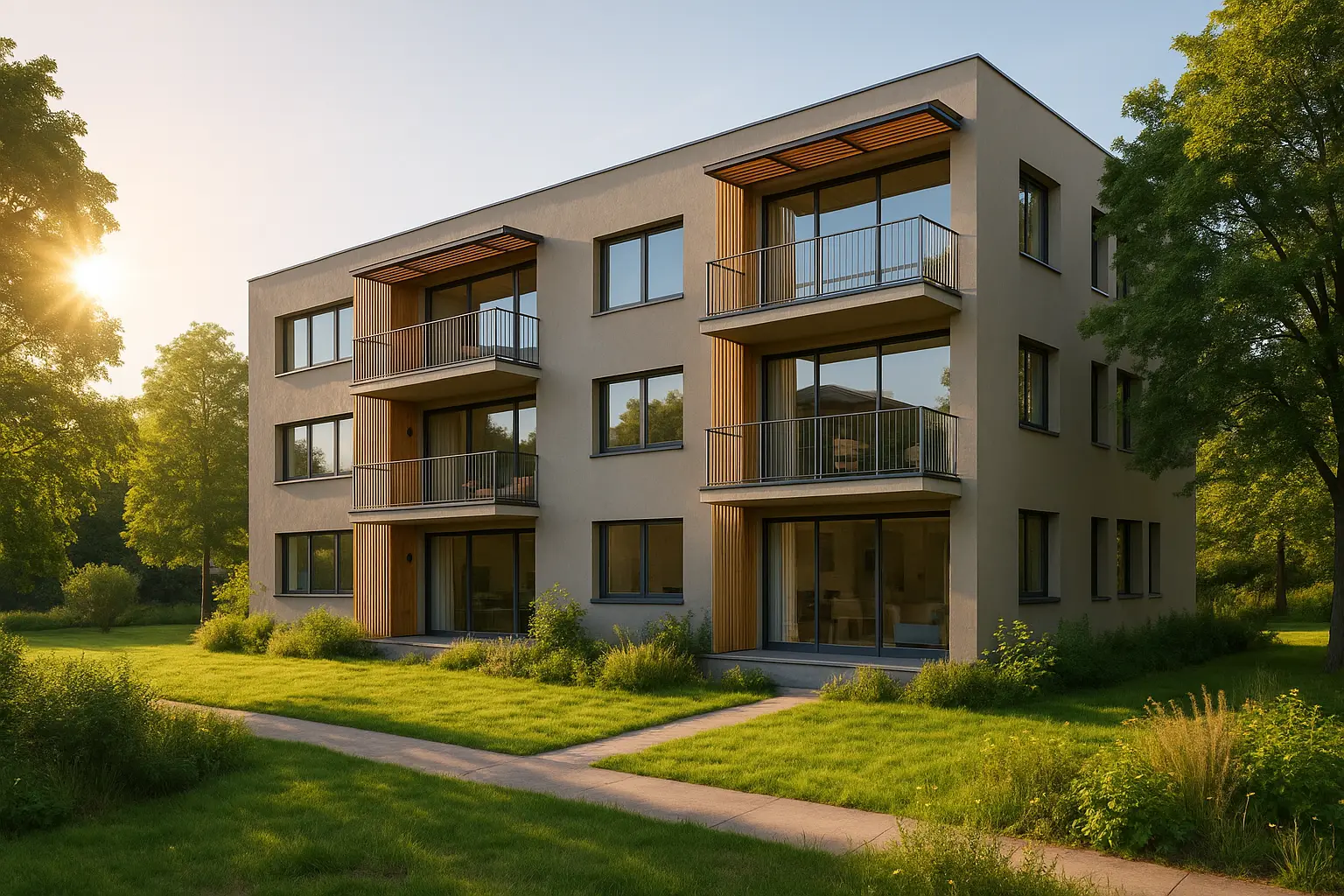
To maintain moderate energy consumption in all seasons, a building must be intelligently integrated into its environment and take advantage of the natural characteristics of its surroundings. This is known as “bioclimatic design,” in which orientation plays a central role.
Orientation
To benefit from the sun in winter and protect against it in summer, the building’s placement must be planned with solar exposure in mind.
This will vary depending on the local climate, but the general principles to keep in mind are:
- Orient the maximum number of windows between south/southwest and south/southeast to maximize winter sunlight
- Avoid direct east and west exposures, which receive longer sun exposure in summer
- Place living spaces (living room, bedrooms, etc.) in the sunniest positions, and locate rooms with low heating needs (garage, etc.) on the north side
- Plan solar protection (shutters, blinds) from the design phase on south-facing windows
Other Elements of Bioclimatic Architecture
Bioclimatic design goes far beyond choosing the right orientation for rooms and openings.
It incorporates:
- Selecting materials suited to the local climate with good thermal inertia
- Accounting for vegetation that can provide variable shade across seasons or shelter from wind
- Considering building form: a more compact design is more energy-efficient, while an elongated layout requires greater energy input
- Choosing colors (floors, ceilings, walls, etc.) to optimize heat and light contributions across seasons
- Designing effective natural ventilation for summer to avoid the need for air conditioning
Bioclimatic design, given prominence by the latest RE2020 regulation, makes it possible to limit the energy consumption of new buildings by leveraging the characteristics of their natural environment — a resource-rich one at that!
However, as important as these criteria are, they alone are not enough to ensure sustainably low energy consumption: the thermal envelope plays a leading role.
Good Insulation: The Cornerstone of a Low-Energy Building
It is thermal insulation that determines a building’s ability to retain heat in winter. Good insulation quality is therefore what makes it possible to minimize heating requirements during the cold season, since the building makes the most of its heating by preventing heat loss.
And with a well-insulated building, the unpleasant effects of heatwaves are also mitigated by maintaining an acceptable indoor temperature even when the thermometer soars outside — avoiding the need for air conditioning, which is highly energy-intensive.
New Construction
The standards currently in force for new building construction, known as “RE2020,” have rightly placed priority on excellent insulation of all building elements: walls, roof, ground floors, and windows. Performance criteria have been raised compared to the previous thermal regulation, with requirements approximately 30% higher.
However, a building must not be completely airtight, as this risks excessive indoor humidity, which degrades air quality and promotes mold growth. This is why good insulation is inseparable from an efficient ventilation system. Heat recovery ventilation (HRV) is in most cases the best-performing system for extracting stale air (humidity from bathrooms, kitchens, etc.) while recovering heat from the extracted air to maximize energy performance.
Renovation
When rehabilitating or renovating an existing building, reviewing the insulation is also the first step. Otherwise, as long as there are significant thermal losses, a heating system change would be inefficient and would deliver neither the comfort nor the energy savings expected.
As a guideline, here is the priority order for addressing deficient insulation:
- The roof, which accounts for 30% of heat loss. Good news: insulating attic spaces is relatively inexpensive and highly effective!
- The walls (approximately 20% of heat loss): choose external or internal insulation depending on the building’s characteristics
- Openings (doors and windows), where installing double glazing improves thermal comfort — and acoustic comfort too
- Ground floor insulation, when there is an unheated basement or crawl space, effectively complements the other work
- Finally, check for direct losses (chimneys, outdated ventilation) to avoid overlooking significant heat loss
In a thermal renovation, ventilation work should not be neglected either — it is essential for combating excessive indoor humidity.
Once bioclimatic design and thermal insulation have been properly addressed, it is time to choose the heating system.
Heating: Optimizing Well-Chosen Characteristics
For optimal comfort and moderate energy bills, heating is a critical choice. It allows you to fully capitalize on what has been well designed.
However, it does not compensate for design and insulation flaws — hence the importance of not skipping steps and keeping in mind that the heating system does not replace sound baseline characteristics.
New Construction
For new construction, whether an apartment building or a house, the RE2020 regulation provides precise guidance on the environmental characteristics of permitted heating systems, excluding, for example, fossil fuel-based heating (oil and gas-only systems).
The remaining options include:
- Heat pumps
- Pellet or log stoves
- Digital electric heating, which remains highly relevant, particularly through innovative techniques such as waste heat recovery from computing processes
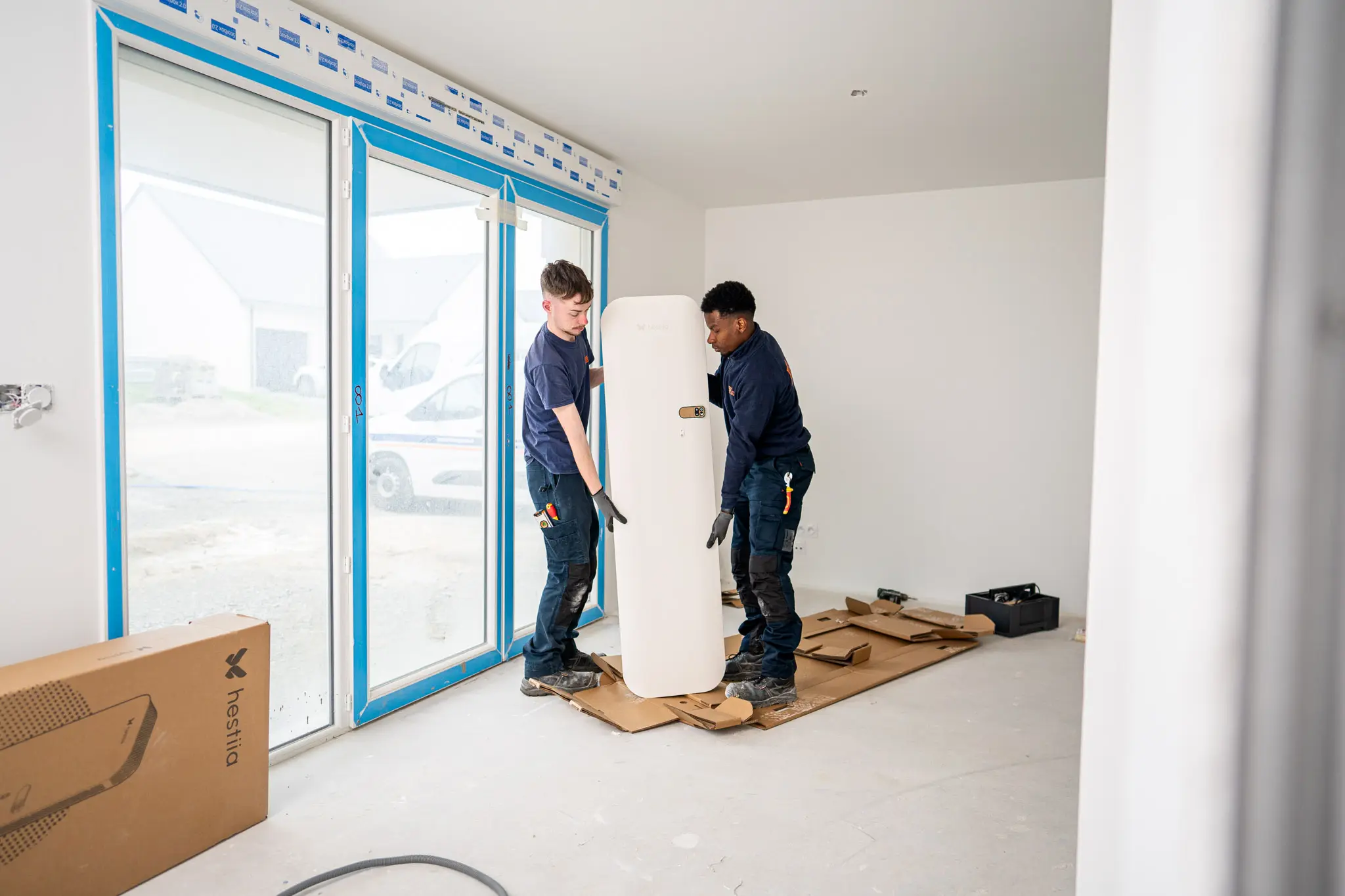
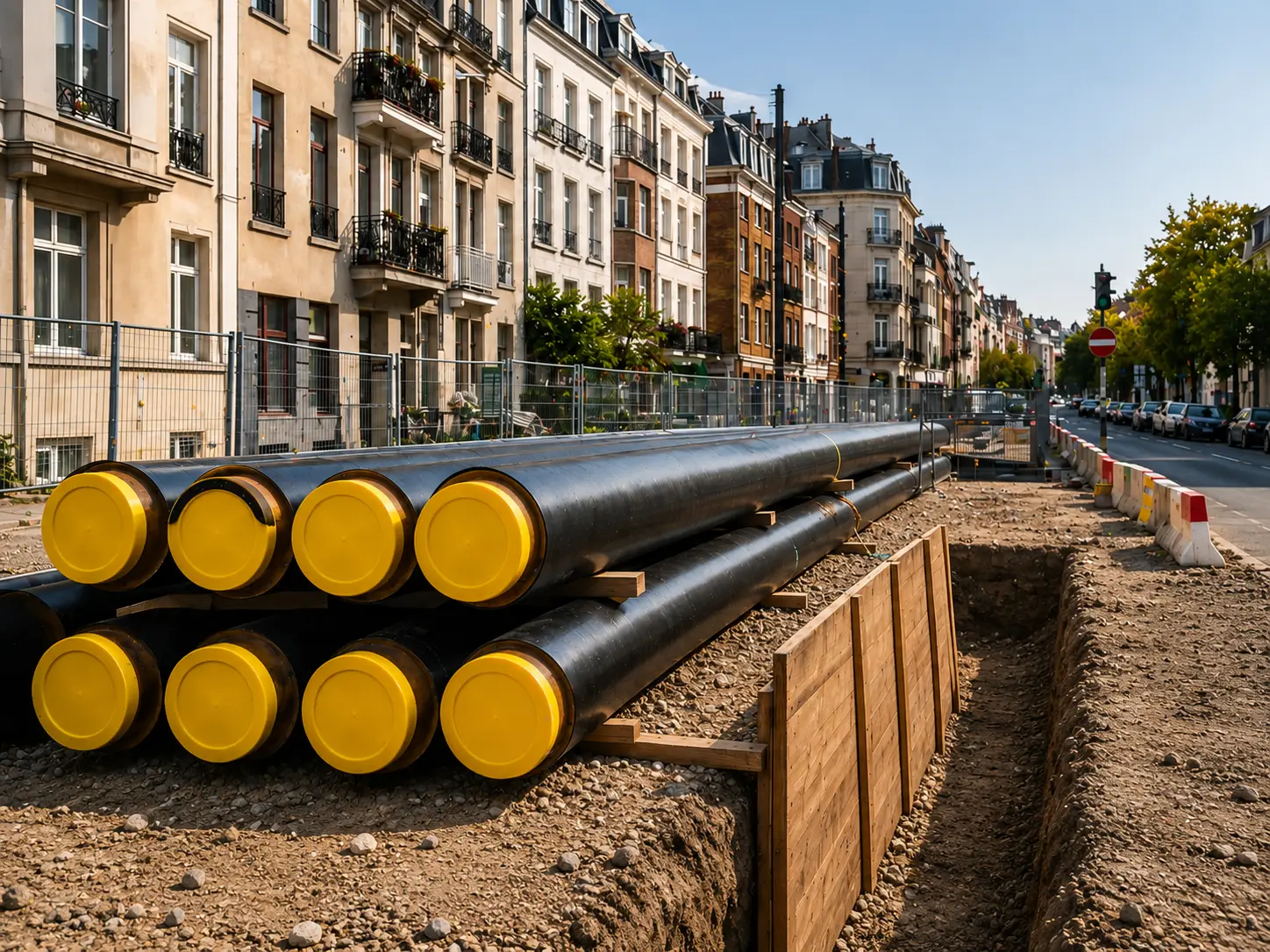
- Geothermal energy and connection to district heating networks
The choice of a heating system (or a combination of two) will be made by the contractor or engineering firm based on building size, available space, occupant requirements and expectations, and the budget for both construction and operation.
Renovation Projects
Having previously insulated the building will be particularly beneficial when choosing heating equipment: heating demand will be lower thanks to reduced heat loss, and you can therefore select less powerful — and often less expensive — equipment, such as a smaller heat pump, a more compact boiler, or smart, energy-efficient electric radiators.
To ensure energy savings are achieved, it is essential to invest in a quality thermostat that allows you to control heating hour by hour, as close to your actual needs as possible.
In Summary
A project designed and executed in the right order — bioclimatic design, insulation, ventilation, heating — is the sine qua non for a low-energy building that provides its occupants with significantly reduced energy bills while maintaining optimal comfort.
After all, the cheapest energy is the energy you do not consume! This is why it is essential to prioritize reducing energy demand — the key to moderate consumption.