How Does a Digital Heater Work?
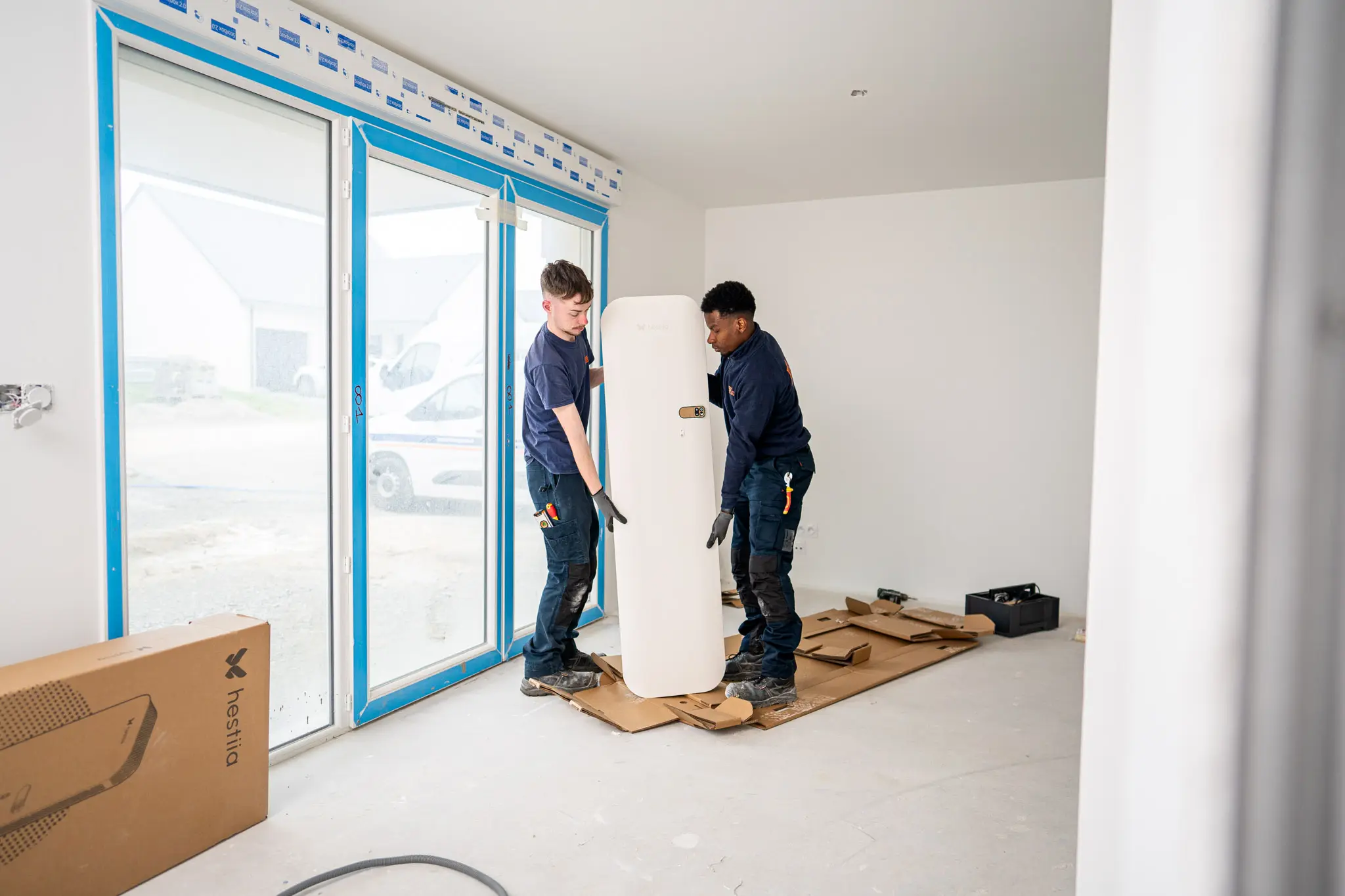
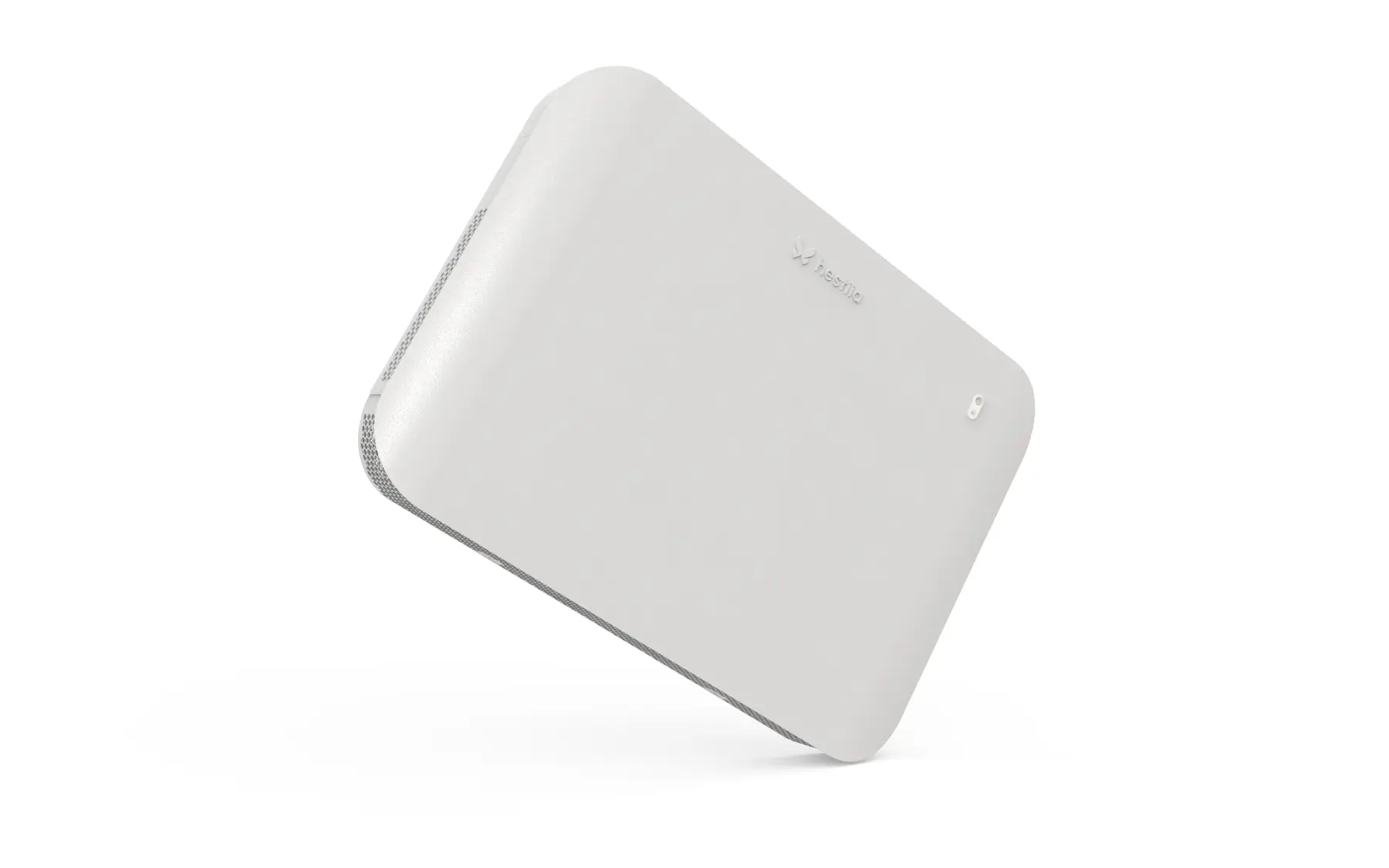
A digital heater is equipped with computing boards that perform calculations — operations similar to those carried out in data centers for managing and storing data, running simulations, or training artificial intelligence models. These computing operations generate heat due to the energy consumed by electronic components such as processors and memory.
By reusing the heat produced by computing, the digital heater recovers a thermal resource that would otherwise be wasted or require energy-intensive cooling. This is where the concept of waste heat comes in.
What Is Waste Heat?
Waste heat is the heat generated inevitably during industrial or technical processes but that is generally not used for any other purpose. In data centers, this heat is typically dissipated by energy-intensive cooling systems. However, in a digital heater, this waste heat is directly put to use for heating living spaces, transforming a byproduct into a valuable resource as part of a virtuous and eco-responsible cycle.
Energy Optimization: Harnessing Existing Energy to Reduce Primary Consumption
By reusing this waste heat instead of consuming additional energy for heating, the myEko Pro® digital heater achieves what is known as waste heat recovery.
To fully understand the impact, it is useful to distinguish between primary energy and final energy.
- Primary energy: This is the raw energy extracted from nature, such as oil, gas, or electricity produced at a power plant. This energy undergoes transformations before it can be distributed in a usable form.
- Final energy: This is the energy we consume directly — for example, when we use electricity to heat a home or power an appliance. It is available for direct use, but its quantity is less than the primary energy required to produce it.
Waste heat recovery reduces the need for primary energy, because the digital heater uses heat that has already been produced by computing operations, thereby avoiding the need for additional energy generation. Less transformation is required, and therefore, less primary energy is consumed.
A Positive Impact on the Energy Transition
Waste heat recovery, by harnessing energy that has already been produced, not only optimizes energy consumption but also supports the energy transition by reducing demand for new energy sources. This aligns with the requirements of RE2020 (France’s 2020 Environmental Regulation), which encourages the adoption of less energy-intensive and more environmentally responsible solutions.
What Is RE2020?
Effective since 2022, RE2020 (Reglementation Environnementale 2020 — France’s 2020 Environmental Regulation) aims to transform the building sector by reducing the energy consumption of new construction and limiting its carbon emissions. It requires builders to prioritize higher-performing, less resource-intensive heating and insulation solutions to reduce their environmental footprint. In practice, this means that buildings must consume less primary energy, while favoring cleaner heat sources and more efficient technologies.
To learn more about this topic, you can read our dedicated article: “Understanding RE2020”!
A Common Misconception: Why Computing Doesn’t Directly Optimize Energy Consumption
It is often claimed that digital technology allows you to optimize your energy consumption and thereby reduce your heating bills, but this is actually a misunderstanding. It is not the fact that the heater is digital that reduces energy bills — rather, it is the integrated smart connected features.
- The heat generated by computing operations primarily acts on reducing primary energy by recovering heat that has already been produced and would otherwise be dissipated without use. In this sense, the digital heater reduces demand for new primary energy sources. However, this does not directly impact the final energy consumed in the dwelling, which remains the same with our myEko Pro® heater as with a latest-generation connected electric radiator.
- Final energy savings come from the appliance’s smart connected features. These capabilities allow automatic temperature regulation, scheduling of heating periods tailored to actual needs, and remote control via an app. By optimizing heating based on real usage, these features limit consumption to the times and levels actually needed, contributing to savings on energy bills.
How Do Connected Features Improve Performance?
Thanks to connected systems:
- Temperature is automatically regulated according to the specific needs of each space.
- Heating adapts to the user’s habits, preventing periods of overconsumption.
- The app enables remote consumption monitoring and control, promoting energy savings.
While the waste heat from computing operations is an ingenious solution for heating living spaces, it is the appliance’s connectivity that truly optimizes residents’ energy consumption (final energy consumption). This approach reduces the overall energy footprint by reusing energy while delivering additional efficiency through connected technologies.
Why Install Digital Heaters in New Multi-Unit Housing Projects?

There are several compelling reasons:
- RE2020 Compliance: The digital heater meets RE2020 requirements, particularly through the energy offset it achieves. By using heat produced by computing operations, this type of heater does not increase on-site primary energy consumption.
- Positive Impact on CEP and CEP nR Indicators: RE2020 imposes strict limits on building energy consumption, evaluated through the CEP (Primary Energy Consumption) and CEP nR (Non-Renewable Primary Energy Consumption) indicators. The digital heater, by consuming energy that is effectively “free” or already produced, helps maintain low scores on these indicators, which is beneficial for the project’s energy performance rating.
- Flexibility and Cost Optimization in the Energy Mix: By improving CEP and CEP nR scores, digital heaters give building designers greater flexibility in choosing the energy mix. This means they can consider different energy sources for other uses (such as hot water or lighting) while still meeting RE2020 thresholds, contributing to better overall cost management.
The other key advantage of installing digital heaters lies in investment and operating costs.
Since the ban on gas heating in new buildings took effect in January 2025, the market has shifted heavily toward heat pumps (also driven by government policy). In comparison, digital heaters offer several advantages:
- Competitive purchase price: Digital heaters like myEko Pro® are more affordable to purchase than heat pumps, reducing the initial cost for property developers and housing providers.
- Simplified infrastructure: Unlike heat pumps, which require heavy technical installation (outdoor units, ductwork, dedicated spaces), digital heaters can be installed quickly without complex infrastructure, reducing overall installation costs.
- Reduced maintenance: Digital heaters like myEko Pro® do not require specific maintenance, unlike heat pumps which need regular inspections to maintain performance. This represents a long-term financial advantage by eliminating recurring maintenance costs.
The Digital Heater: A New Opportunity

myEko Pro®
The digital heater represents a major opportunity for tomorrow’s construction projects to equip buildings with heating systems that meet regulatory requirements while offering competitive pricing and simplified installation compared to traditional heating systems.
Numerous building owners are turning to hestiia® to equip their upcoming projects with our products. We are convinced that digital heating is the future of building heating, and we are delighted to support these various projects with our myEko Pro® solution. We see the enthusiasm it generates during thermal simulation results and feasibility studies, and we encourage you to contact us if you would like to see the expected results with our solution for your project.