The Explosion of Computing Demand
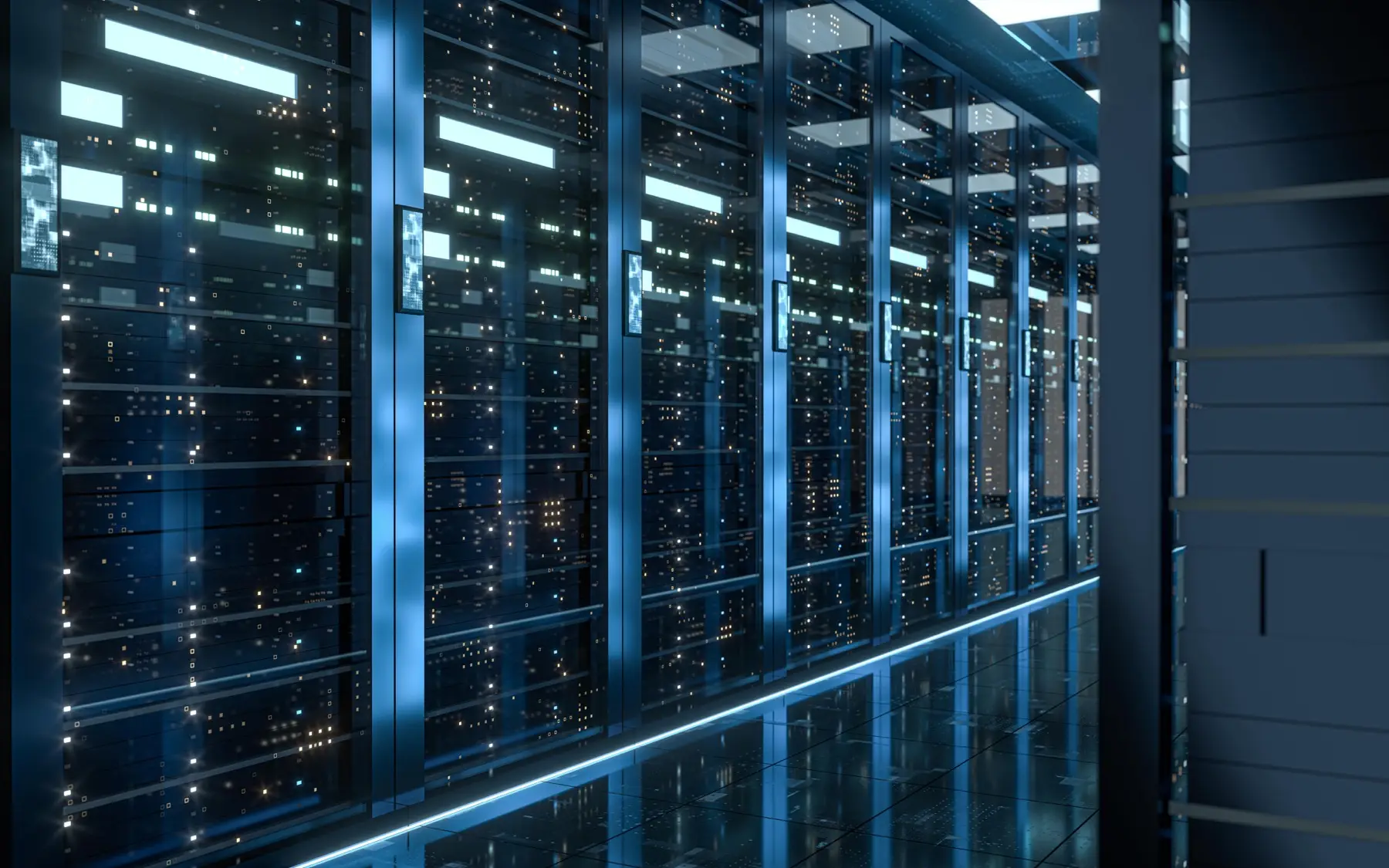
Digital services have become an enormous part of everyday life. Streaming a series, storing files, using a chatbot, or running an artificial intelligence tool — all of this relies on infrastructure we never see but that consumes vast amounts of energy: data centers.
Computing demand is growing relentlessly. According to the International Energy Agency (IEA), data centers, networks, and digital devices accounted for approximately 2.5% of global electricity consumption in 2022. And the trend is only accelerating. The IEA projects that data center consumption alone could more than double by 2026, driven largely by the growth of cloud computing and artificial intelligence.
In Europe, data center consumption was estimated at nearly 77 TWh in 2018, according to the European Commission’s Joint Research Centre. In France, it reached approximately 10 TWh in 2022 — equivalent to the electricity consumption of a city the size of Marseille.
Behind this growth lies a frequently overlooked challenge: to operate, servers not only consume electricity for computation but also generate enormous quantities of heat that must then be dissipated. This so-called “waste heat” represents a largely untapped energy resource today.
The Hidden Side of Digital: A Massive Cooling Requirement
Running servers requires electricity. A lot of electricity. But what is often overlooked is that a significant portion of that electricity is used to… cool those same servers.
On average, up to 40% of a data center’s energy consumption can be dedicated solely to cooling. And this energy does not disappear — it is converted into heat, which is then expelled into the environment through ventilation or air conditioning systems.
The result: a double energy expense. On one side, electricity is consumed for computation. On the other, more electricity is consumed to lower the temperature that computation has generated.
This “waste heat” is very rarely recovered. Yet it is very real, and massive. In 2023, ADEME (France’s energy transition agency) estimated that the 264 data centers located in France reject approximately 8.5 TWh of heat every year. That corresponds to the annual output of more than one nuclear reactor.
This thermal waste directly contradicts national climate objectives, which aim to make better use of available energy and limit unnecessary consumption. What is more, cooling a data center can also require systems that consume water or use refrigerant gases, raising additional environmental concerns.
At the local level, a few projects are beginning to recover this heat: in Paris, for example, a data center supplies heat to the Olympic aquatic center. But such initiatives remain rare, and the potential is still largely untapped.
Data Center Waste Heat: An Underexploited Resource
ADEME estimates that data centers, alongside other waste heat producers such as incineration plants, wastewater treatment facilities, and certain industrial sites, represent a potential of several terawatt-hours per year in France.
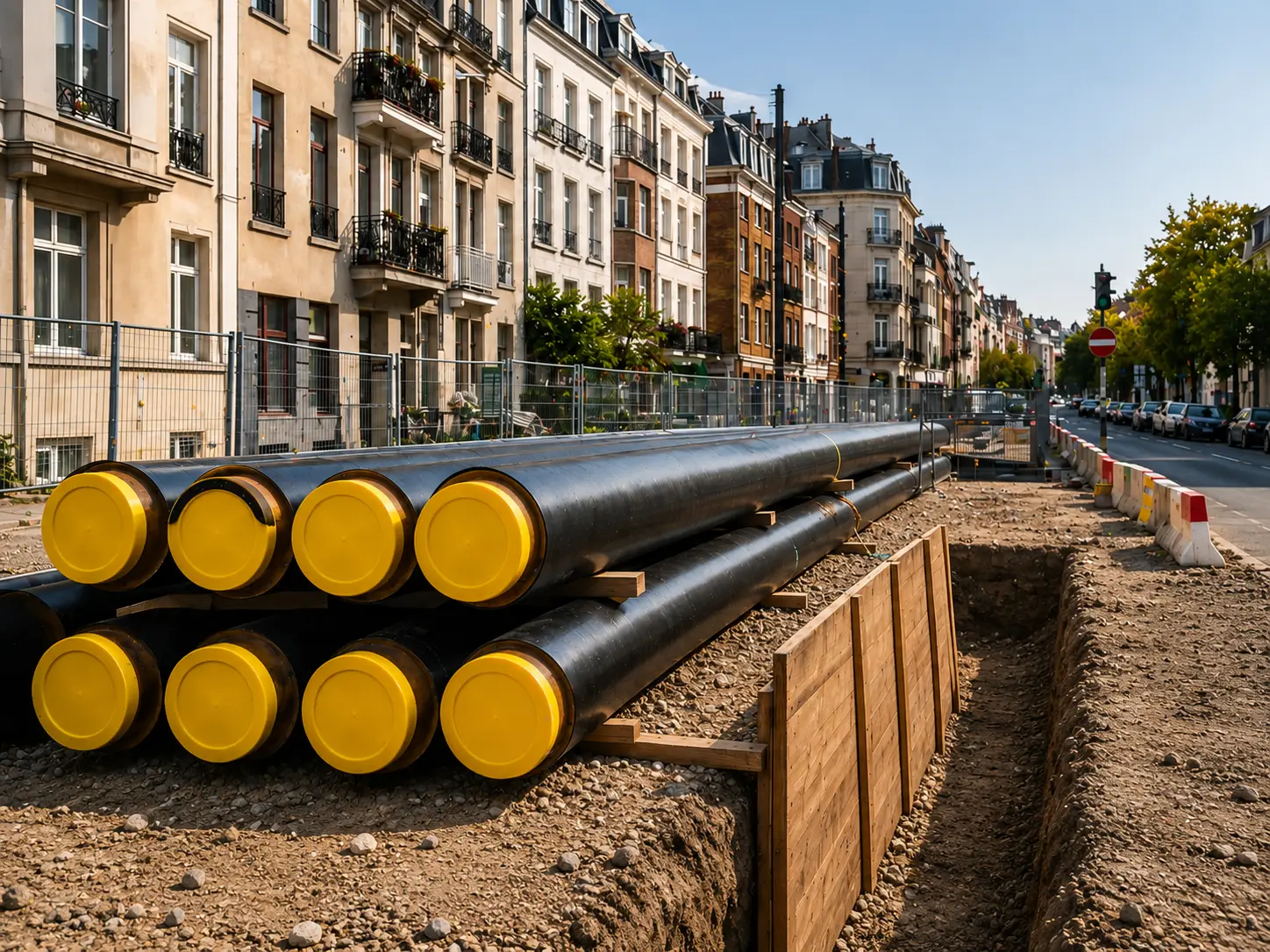
For example, in Sweden, the city of Stockholm has operated the Open District Heating program since 2014, enabling data centers to sell their surplus heat to the district heating network. This initiative, led by energy company Stockholm Exergi, relies on a 3,000-kilometer district heating network. The recovered heat is used to warm homes, offices, and public facilities, contributing to a reduction of the city’s CO2 emissions.
These examples demonstrate that waste heat recovery is technically feasible and energetically sound. But it remains underdeveloped, due to a lack of incentives, local coordination, or simply awareness of the existing potential.
Toward Local Recovery of Computing Heat
While data center heat can be recovered at scale to feed district heating networks, other approaches allow it to be reused directly where it is produced, at a more local scale.
This is the concept behind certain emerging technologies, such as Embedded Waste Heat Recovery heaters. The principle is simple: integrate computing boards inside a heater so that the heat generated by computation becomes useful heating for buildings.
This type of equipment does not consume more electricity than a conventional heater, but it gives the same energy a dual purpose: computation on one side, heating on the other. Rather than cooling servers to evacuate their heat, the heat is retained and used intelligently.
This is precisely what Hestiia offers with the myEko Pro® Embedded Waste Heat Recovery heater. Computation is performed directly inside each unit, without noise or mechanical ventilation, and the heat is distributed into the space like a conventional inertial heater. In parallel, the computations are used for AI inference workloads with the goal of accelerating scientific discoveries.
This approach brings computing closer to where heat is needed, reducing the need for centralized infrastructure, active cooling, and energy transportation. It is also a concrete way to integrate digital technology into the energy transition, with solutions that prioritize efficiency, resource sharing, and decentralization.
Conclusion
In a context of energy constraints and rapid growth in digital usage, waste heat recovery is a lever that can no longer be ignored.
Solutions exist. Some allow heat to be recovered at scale. Others, such as Embedded Waste Heat Recovery heaters, put it to use directly inside buildings.
It is a concrete way to make better use of the electricity we already consume.
But for these approaches to scale, they must be encouraged. This requires appropriate public policies, better integration of these solutions in urban and digital projects, and an evolution in how we design equipment.