Security of Supply: The Critical Challenge
Ensuring security of supply means continuously matching electricity generation to demand, since electricity is extremely difficult to store at scale. If the balance tips: blackout — with costly and disruptive consequences for households and businesses alike.
According to RTE (France’s electricity transmission operator), electricity consumption is expected to rise from 480 TWh in 2020 to approximately 645 TWh by 2050. This increase is driven by the electrification of key sectors — notably transport, industry, and heating — as well as growing demand from air conditioning, digital services, and the computing power required for artificial intelligence.
The generation fleet must therefore adapt to evolving consumption patterns in order to maintain the long-term supply-demand balance.
Two pillars stand out:
- Producing enough electricity year-round, which implies renovating the nuclear fleet, investing in new power plants, and more.
- Responding to demand variability (on hourly, daily, and seasonal scales). Security of supply is especially critical during “peak demand” — the time of day when consumption is highest in the early evening, particularly on cold days.
The challenge is all the more pressing as renewable energy grows. While renewables play a vital role in decarbonization, their output is subject to strong, hard-to-predict fluctuations. This creates a need for flexibility on the supply side as well, managed through various mechanisms such as interconnections with neighboring countries.
The Crucial Role of Electricity in Fighting Climate Change
It is the massive use of energy since the Industrial Revolution that has transformed our way of life — for the better — but also disrupted the planet’s equilibrium — for the worse.
Transforming the way we use energy is therefore essential to addressing climate challenges. France has adopted carbon neutrality as a national target for 2050, requiring a sixfold reduction in greenhouse gas emissions compared to 1990 levels.
Two approaches contribute to carbon neutrality:
1/ Better control of energy demand — that is, reducing our energy needs. This involves energy-efficient building renovations, adopting more efficient industrial technologies, changing individual behaviors, and combating energy waste. Demand management is particularly decisive during peak hours: meeting peak demand requires activating flexible — and often highly carbon-intensive — generation capacity (such as gas-fired power plants) to maintain the supply-demand balance.
2/ Developing renewable energy. Renewables meet electricity needs by harnessing the inexhaustible energy of the sun, wind, earth, and sea, or by tapping into energy that would otherwise exist regardless: household and agricultural waste, or the recovery of waste heat generated by industry or by computing processes used to heat buildings.
Energy Independence: A Strength to Reinforce
The final category of challenges France must address is energy sovereignty. Behind this somewhat abstract term lies a country’s ability to independently secure its energy resources.
France is relatively well positioned among European nations thanks to a nuclear fleet that provides three-quarters of its domestic electricity generation. Nevertheless, the issue of energy sovereignty is becoming increasingly urgent amid geopolitical tensions and rising energy demand.
For France, strengthening energy independence means:
- Producing more energy domestically through renewable and waste heat sources
- Reducing oil and gas imports
- Lowering energy consumption by households and businesses
- Securing its grid and installations, particularly against cyber risks
- Maintaining the competitiveness of its generation fleet
The Essential Transformation of the Electricity Grid
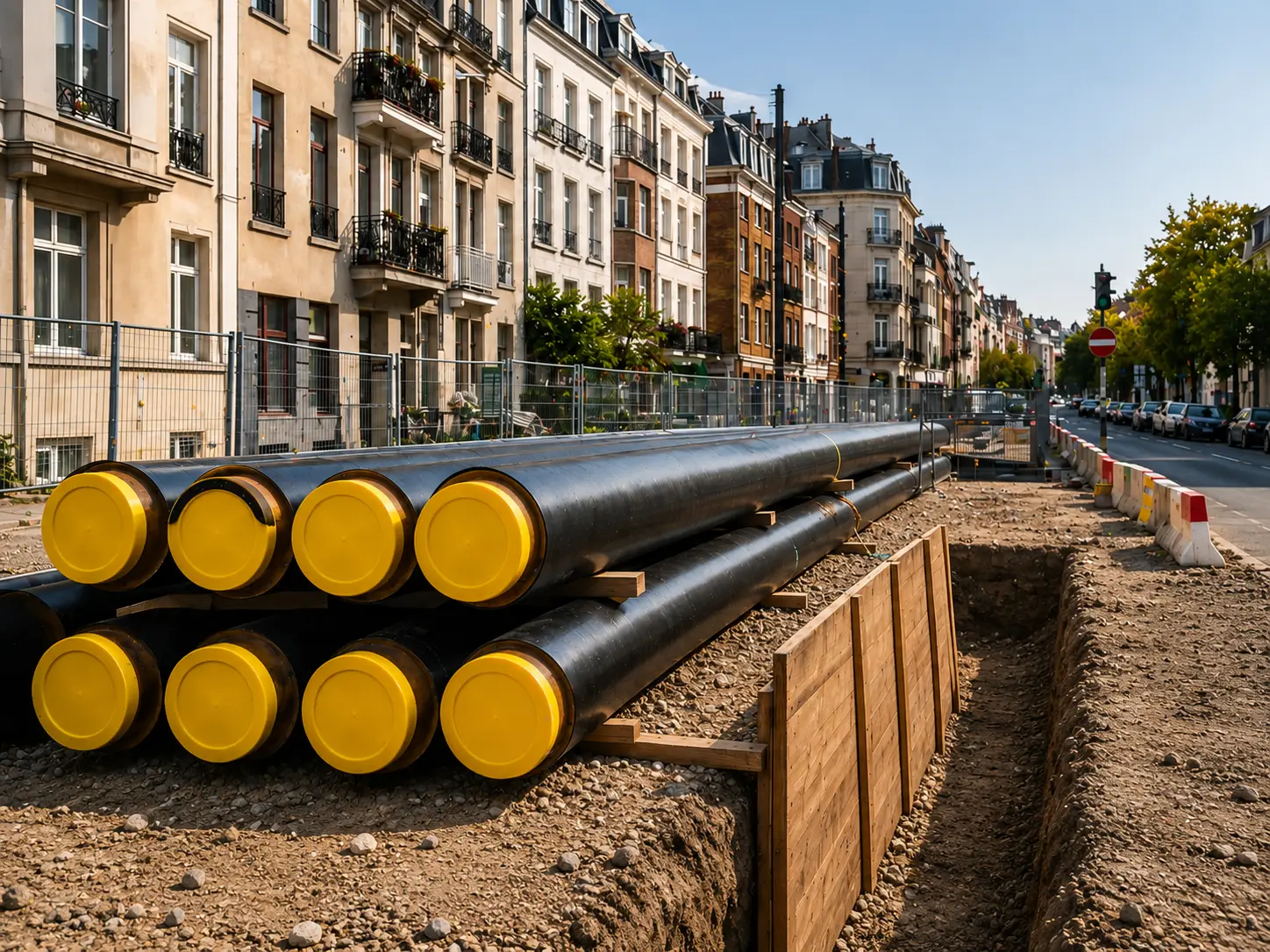
The electricity transmission and distribution network is the indispensable link between generation sites and consumption points. It must therefore integrate all the transformations mentioned above to continue fulfilling its mission for households, communities, and businesses.
RTE publishes an annual report highlighting these challenges and the responses it is implementing. In its latest report, the public utility emphasizes:
- Adapting the grid to new climate conditions (for example, heat waves that are more intense and longer-lasting than before)
- The role of high-quality interconnections with neighboring countries in ensuring security of supply
- Doubling certain very high voltage lines to carry greater volumes of electricity
- Developing a new type of maritime infrastructure to connect offshore renewable generation sources
Optimizing Electricity: Innovative Solutions Are Emerging
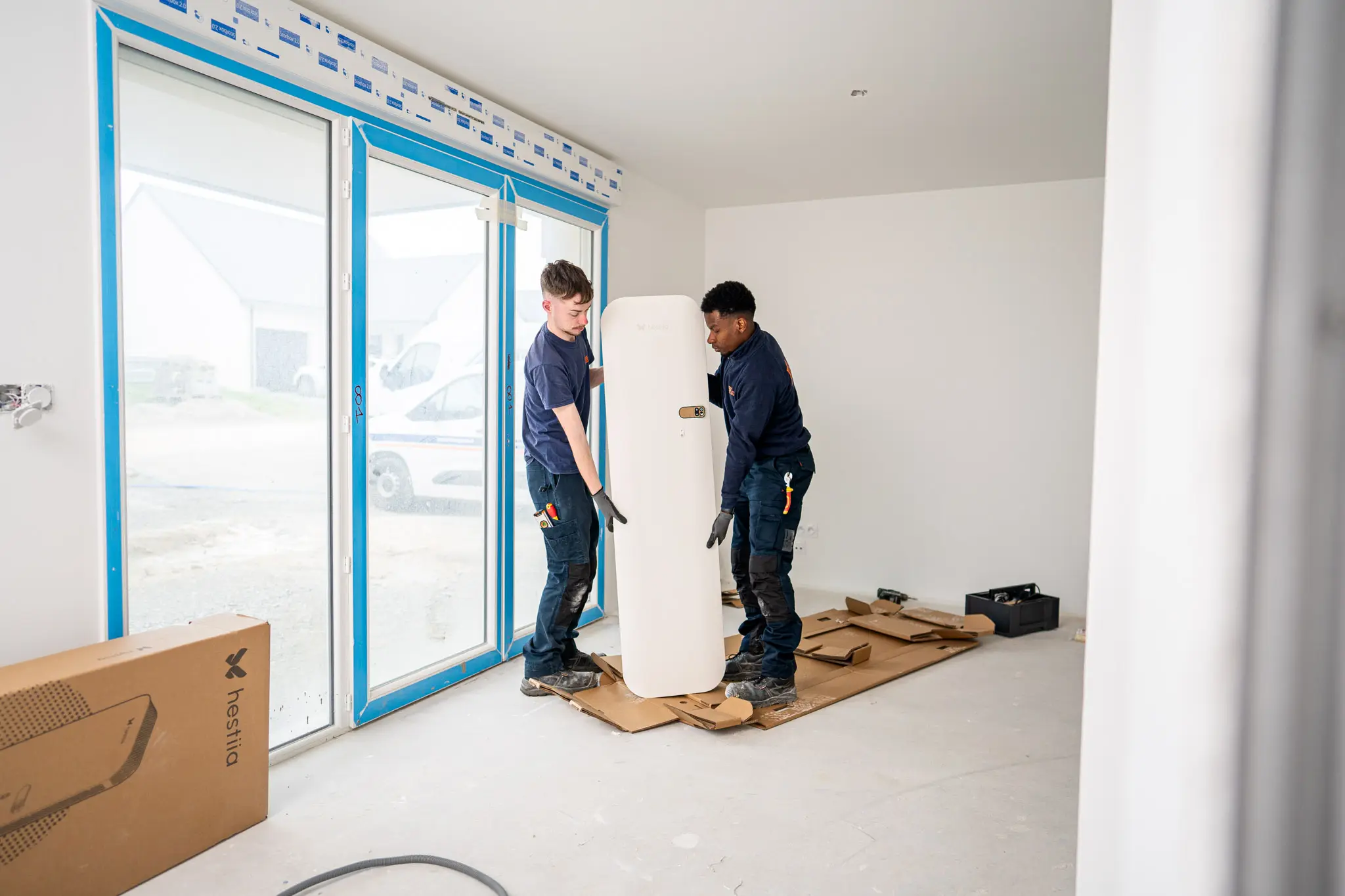
In the face of these immense challenges, innovative solutions are emerging. Among them, Embedded Waste Heat Recovery (RCE) heaters offer a new model for electric heating: by reusing the heat produced by computing processes to heat homes, this next-generation heating system eliminates the energy consumption otherwise needed for cooling in data centers.
This approach optimizes electricity usage by employing it simultaneously for two functions — computing and heating — while decentralizing digital infrastructure. An additional benefit: reduced strain on the electricity grid.
These types of innovations demonstrate that beyond large-scale infrastructure investments, practical, decentralized solutions exist to make better use of electricity.
As demand rises, decarbonization becomes imperative, and grid constraints tighten, the challenge is not simply to produce more but to optimize what we already consume. Building a sustainable energy system will depend as much on technology choices as on a new way of thinking about electricity generation, usage, and management.
At hestiia, we are proud and enthusiastic participants in addressing the challenges France must overcome to ensure the long-term sustainability of its electricity system.