Primary Energy: Back to the Source
Primary energy refers to the resources that are extracted from nature and then transformed to meet our needs.
Its main characteristics are:
- It is available in the natural environment
- It can be transformed for end uses
- It can be renewable (solar, wind, hydro, geothermal, etc.) or non-renewable (oil, natural gas, etc.)
Historically, the dominant primary energy source was wood, followed by coal from the late 19th century onward, which was gradually replaced by oil starting around 1910.
From 1945, new energy sources began contributing to our primary energy supply: notably natural gas, hydropower, and nuclear energy. We have also become increasingly adept at harnessing primary solar and wind energy to generate electricity.
These energy sources form the foundation of our current standard of living and everyday comfort. However, the rapid growth in energy demand has primarily relied on highly carbon-intensive primary sources (particularly coal and oil). Burning these fuels generates high greenhouse gas emissions, which have in turn driven the climate disruption we have been observing for roughly fifty years.
Final Energy: Ready to Use
Final energy is the energy we consume directly — for example, when we use electricity to heat a home or power an appliance.
It always originates from a primary energy source, but has been transformed and transported to serve a specific purpose. From the consumer’s perspective, it is the energy billed at its point of use.
There is a significant loss of energy between the primary energy required for production and the final energy delivered.
- In the case of oil, for example, roughly two-thirds of the primary energy is lost during extraction, transportation, and refining into fuel: our end uses therefore correspond to only about one-third of the energy originally extracted.
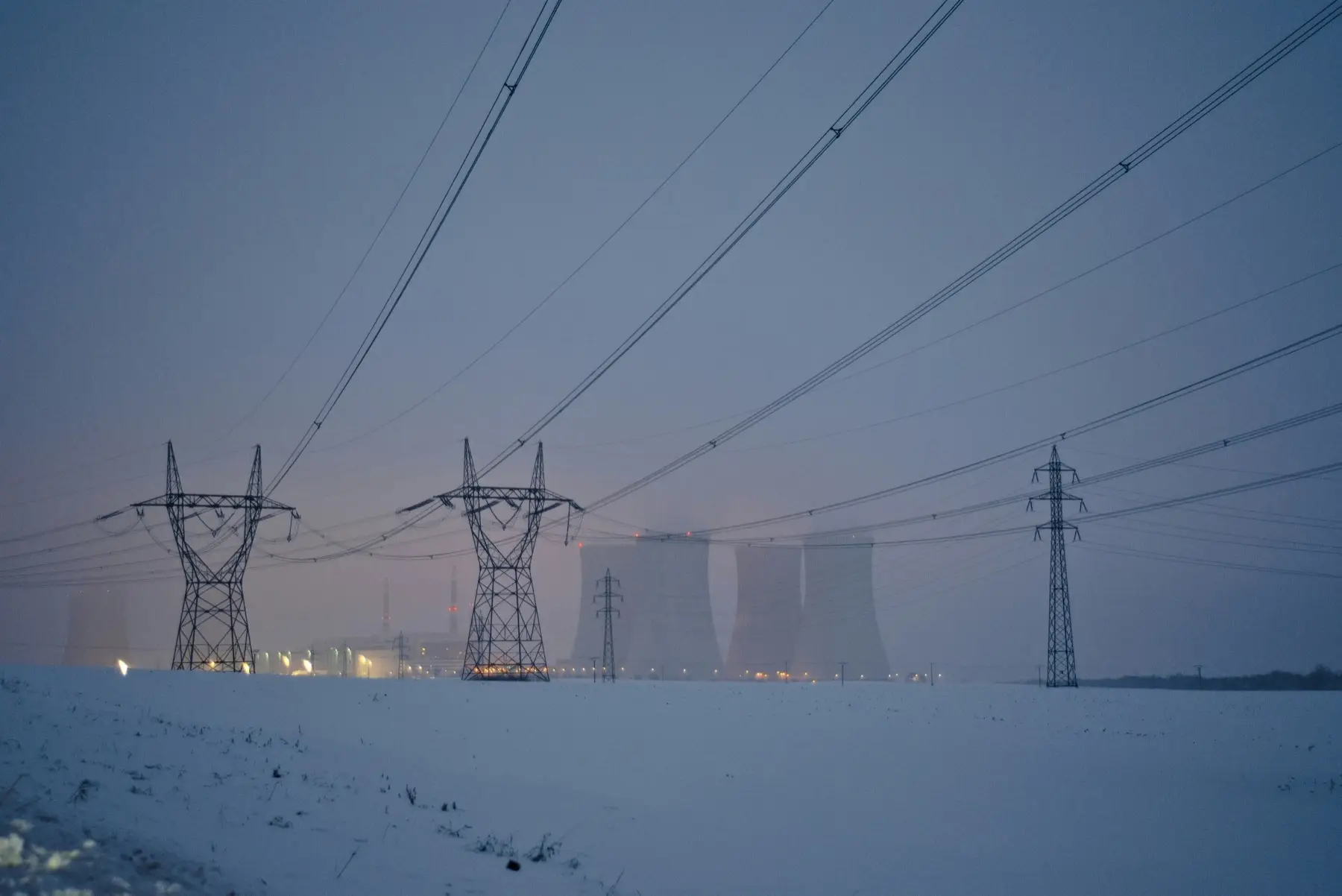
- Similarly, electricity does not occur naturally (it can be considered purely a form of final energy), and it is estimated that 2.58 units of primary energy (e.g. gas, coal) are needed to ultimately deliver 1 unit of electricity.
This is known as the conversion coefficient, used notably in EPC (Energy Performance Certificate) calculations to estimate primary energy consumption.
How is the EPC calculated?
The energy rating determined by the EPC (ranging from A to G) depends on the total kilowatt-hours of primary energy consumed per square meter per year in the dwelling. The EPC estimates and adds up consumption from the heating system, hot water production, any cooling, and other electrical uses (lighting and appliances). It is expressed in kWh PE/(m².yr).
Primary and Final Energy: Which Should We Act On?
Unsurprisingly, the answer is: both! Each represents a different reality, and each plays its part in the challenge of managing energy demand — essential for limiting climate disruption.
On the primary energy side, several levers can be distinguished:
- Shifting our energy mix (the distribution of primary energy sources) toward the least carbon-intensive options
- Limiting energy losses during transportation and transformation — for example, by recovering energy during these stages or by reducing the transport distance between source and point of consumption
At the other end of the chain, numerous possibilities exist to limit final energy consumption (and therefore primary energy consumption by extension):
- Energy efficiency of appliances and vehicles
- Smart heating management
- Building thermal insulation
- And more…
Midway between the two, waste heat recovery is a promising avenue for improving the conversion coefficient, as it reduces the primary energy needed for a given amount of available final energy. Waste heat is the residual energy produced during industrial processes but not directly used.
A few common examples of waste heat recovery:
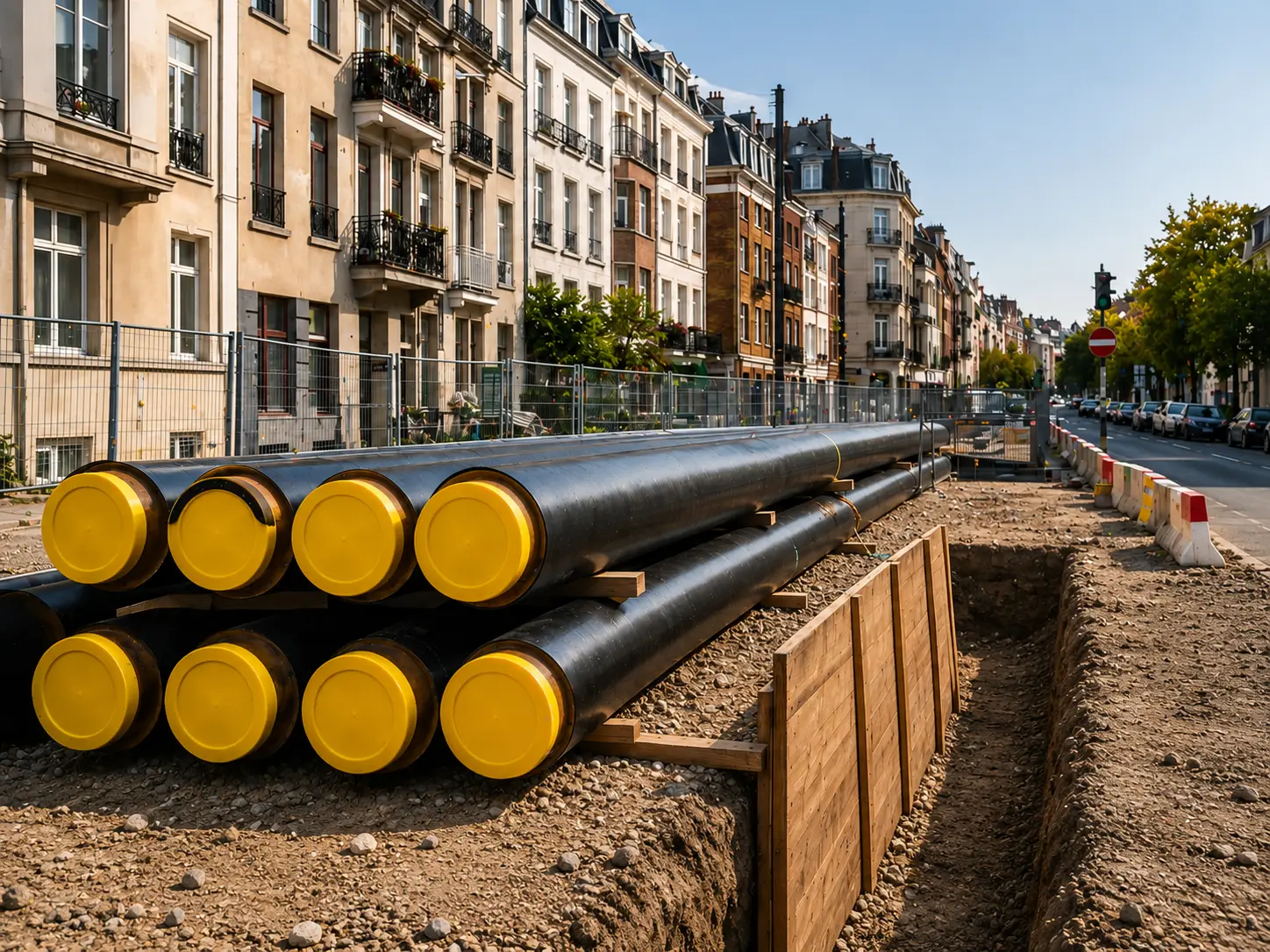
- The heat generated by household waste incineration can be reused in urban district heating networks to heat swimming pools, hospitals, etc.
- In modern electric vehicles, the waste heat generated during braking is recovered and converted into electricity, which feeds back into the battery
In a context where digital technology requires ever-increasing computing power, data centers represent a significant — and still underexploited — source of waste heat. Computing operations generate heat (as anyone who has placed their hand on a laptop after a long work session can attest), like most electrical processes. Yet in most cases, this incidental heat goes unused: on the contrary, data centers need to be cooled — using even more energy! There is therefore significant potential in harnessing this waste heat.
One way to utilize it is to equip radiators with computing cards that perform calculations, functioning as decentralized mini data centers. These generate heat that is used directly on-site for heating residential buildings: this is the principle behind the digital heater. Digital heaters, thanks to this waste heat recovery, achieve excellent scores in the CEP (primary energy coefficient) and CEP nR (non-renewable primary energy coefficient) calculations used in RE2020 (France’s Environmental Regulation 2020). They are therefore a highly promising solution for complying with the ambitious building regulations that aim to reduce the energy impact of buildings.